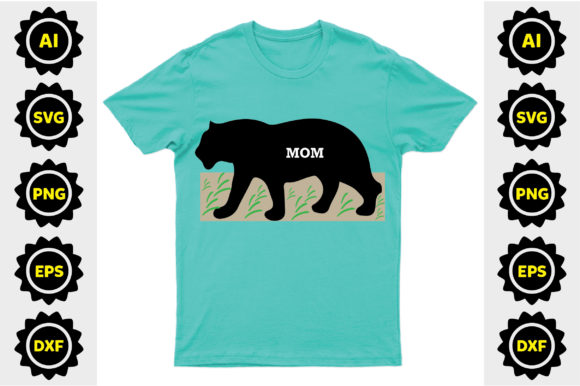
Tiger Mom: A Designer's Take on This Bold Embroidery Graphic
When I first unzipped the folder for Tiger Mom, my immediate reaction wasn't just about the cuteness factor; it was about potential. As someone who spends hours hooped up at the machine, I look at every new digital embroidery file through a lens of practicality. Can this hold up on a thick sweatshirt? Will the details get lost on a textured tote bag? Is this something my clients will actually buy, or is it just another fleeting trend? After reviewing the assets included in this download, I can say that this design sits firmly in the "usable asset" category for serious crafters and small business owners.
The package includes an AI file and an SVG file. For those of us who like to tweak things before stitching, the AI file is a goldmine. Being able to modify elements and change colors directly in Illustrator means you aren't stuck with the default palette. This flexibility is crucial when you are trying to match a specific brand identity or when a customer requests a custom colorway for their personalized gift. The SVG format ensures that if you are using cutting machines for applique or heat transfer vinyl overlays, the paths are clean and ready to go.
First Impressions: Mood and Visual Personality
The vibe of Tiger Mom is fierce yet approachable. It captures that protective, loving energy that resonates deeply with parents, making it an instant hit for baby embroidery projects or nursery decor. The layout feels balanced, not too crowded, which is essential for maintaining stitch clarity. When you are working with a machine embroidery design, negative space is your friend. It allows the thread to breathe and prevents the fabric from puckering excessively.
Visually, the graphic has a strong silhouette. This is important because bold shapes translate better to thread than wispy, overly detailed illustrations. Whether you are aiming for a satin stitch outline to give it definition or a fill stitch to create solid blocks of color, the underlying geometry of the design supports both techniques. It feels modern enough for a boutique clothing line but classic enough to remain relevant beyond the current season.
Real-World Application: From Mockup to Finished Product
Let's talk about where this design actually shines. I immediately pictured this on a high-quality, heavy-weight cotton tote bag. The sturdy canvas provides a perfect foundation for the stitches, ensuring the finished product looks professional and durable. Imagine a local farmer's market vendor selling these as part of a "Mom Life" collection. The design is distinct enough to be recognized from across a booth table.
Another strong contender for Tiger Mom is sweatshirt embroidery. Hoodies and crewnecks are staples in any craft business, especially during the cooler months. Because the design likely relies on solid shapes rather than intricate micro-details, it handles the loft of fleece-backed sweatshirts well. However, you must account for the fabric texture. On a fuzzy fleece, a running stitch might get lost, so opting for a denser fill or a wider satin column would be my recommendation to ensure the image pops.
For the Etsy seller looking to expand their catalog, this graphic works beautifully on custom apparel like t-shirts. Since the product falls under T-Shirt Designs and Graphics, it is inherently versatile. You could easily use the SVG to create a printed version for those who don't want embroidery, or combine them for a mixed-media look. It also translates well to embroidered patches. Creating a run of patches allows customers to add the design to existing jackets or bags without committing to a permanent stitch on the garment itself.
Technical Considerations and Fabric Challenges
While the design is robust, there are scenarios where you need to proceed with caution. If you are planning to stitch this on a cap, remember that curved surfaces distort designs. You may need to adjust the pull compensation in your digitizing software if you are modifying the AI file, or test extensively to ensure the text or facial features don't warp. Caps are tricky, and what looks flat on the screen can look twisted on a structured front panel.
Fabric choice is equally critical. On dark fabrics, you need to ensure your thread colors have enough contrast. A dark tiger on a navy shirt might look muddy unless you use a bright underlay or choose lighter thread shades. Conversely, on thin or stretchy fabrics like jersey knits, stitch density becomes a major concern. If the design is too dense, it will cause the fabric to pucker or tear over time. Always check the density settings if you have access to edit the file, or switch to a lighter weight stabilizer to support the fabric without adding unnecessary bulk.
Small hoop sizes can also be a limitation. If the design is large, you might be forced to resize it down for a 4x4 hoop. Be careful not to shrink it so much that tiny details merge together. Nothing kills the perceived value of a handmade product faster than illegible text or blobby features caused by resizing errors.
Enhancing Brand Value and Customer Trust
Using a well-chosen design like Tiger Mom directly impacts your brand consistency. When customers see a clean, well-executed embroidery job, they associate that quality with your shop. It builds trust. Whether you are creating holiday embroidery gifts for family or producing inventory for a small shop product line, the professionalism of the stitch-out matters. A sloppy design suggests a sloppy business; a crisp, thoughtful design suggests reliability and care.
This graphic also has high "giftability." It taps into an emotional narrative—the strength and love of a mother. Products that tell a story sell better. A pillow cover with this design isn't just decor; it's a statement piece for a new mom's living room. An apron becomes a fun accessory for the kitchen matriarch. By positioning the embroidery project around these emotional connections, you increase buyer engagement and justify a higher price point.
Practical Notes for the Studio
Before you commit to a full production run, here is my advice for testing Tiger Mom:
- Scrap Test First: Never skip the test stitch. Use the exact fabric and stabilizer you plan to use for the final item. This reveals issues with tension or registration before you ruin good material.
- Check Color Contrast: View your digital mockups in black and white. If the design loses its shape in grayscale, your thread color choices might be too similar in value.
- Verify Licensing: While the files allow modification, always double-check the specific license terms regarding commercial use. Ensure you are cleared to sell finished items or digital derivatives if that is your business model.
- Stabilizer Selection: Match your stabilizer to the fabric. Cut-away is usually best for stretchy garments to prevent distortion after washing, while tear-away works for stable woven fabrics like tote bags.
- Wash Testing: If you are selling commercial embroidery items, wash the test sample multiple times. Check for thread breakage, color bleeding, or fabric puckering.
In conclusion, Tiger Mom is a versatile asset that bridges the gap between trendy graphics and functional embroidery art. With the included AI and SVG files, you have the freedom to adapt it to various design assets and project needs. Whether you are a hobbyist making a special gift or an entrepreneur building a catalog of printable mockup ready products, this design offers a solid foundation. Just respect the technical limits of your machine and fabric, and you will end up with a product that customers love to wear and display.