Review: I m a Mom, Grandma and a Native American Design
As someone who spends more time at the embroidery machine than anywhere else, I approach every new digital embroidery file with a mix of excitement and skepticism. We have all downloaded a design that looked perfect on the screen only to turn into a puckered mess once the needle hit the fabric. Today, I am taking a close look at the I m a Mom, Grandma and a Native American graphic to see if it holds up for real-world embroidery projects. This isn't just about whether it looks cute; it is about whether it can survive the rigors of a custom order for a client or a batch of items for an Etsy shop.
First Impressions and Visual Personality
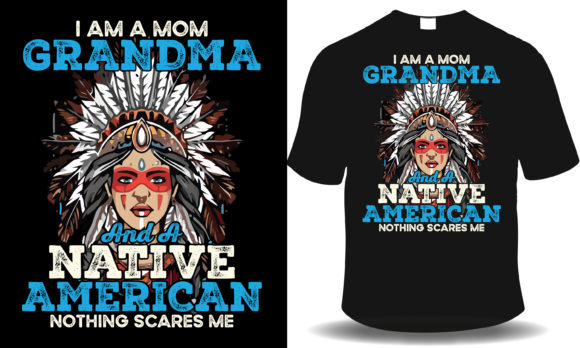
When I first pulled up the files for I m a Mom, Grandma and a Native American, the immediate takeaway was the strong sense of identity it conveys. The layout balances three distinct roles into a cohesive statement. For a designer, the mood here is celebratory and rooted in heritage. It feels warm, personal, and proud. Visually, the typography and any accompanying graphical elements need to work together to ensure readability, especially since this design likely appeals to a demographic that values clear, bold statements over overly intricate, hard-to-read scripts.
The provided assets include an EPS, a high-resolution PNG, and an SVG. While these are excellent for printing or digital mockups, us embroidery professionals know that these raster and vector graphics often need to be digitized into a proper machine embroidery design format unless you are using a specific printer-embroiderer combo. If you are planning to stitch this out, you will need to assess the complexity of the lines. Does the text flow well? Are the curves smooth enough for a satin stitch, or will they require a careful fill stitch to avoid gaps? The visual personality suggests a design that belongs on comfortable, everyday wear rather than formal attire.
Real-World Application: The Custom Sweatshirt Scenario
To truly test the viability of this design, I imagined a specific real-life scenario: a customer comes into my small shop wanting a personalized gift for her mother who is also a grandmother and deeply connected to her Native American roots. She wants a cozy, oversized sweatshirt for the upcoming holidays. This is a classic holiday embroidery request that happens frequently in November and December.
In this context, I m a Mom, Grandma and a Native American shines as a centerpiece. Placed centrally on the chest of a fleece-lined sweatshirt, the design offers ample space for the text to breathe. The fabric texture of a sweatshirt is forgiving, which helps if the design has dense areas. However, the success of this finished product relies heavily on how the design translates from the screen to the hoop. If the lettering is too thin, it might get lost in the fleece pile. If it is too wide, it could feel stiff against the skin. For a project like this, I would recommend testing the design on a scrap piece of similar weight fabric first to check the stitch density.
Beyond apparel, this design has potential for a tote bag design or even an embroidered patch. A patch would allow the customer to iron or sew the design onto a denim jacket or a canvas backpack, adding versatility to the handmade product. For an Etsy seller, offering this as a customizable option where the buyer can choose their thread colors to match their specific tribal affiliations or personal style could significantly boost engagement.
Navigating Technical Challenges
While the sentiment of I m a Mom, Grandma and a Native American is powerful, we must address the technical hurdles. Not every surface is suitable for every design. If you are attempting this on a cap, the curved surface presents a challenge. The text needs to be arched correctly, or it will look distorted once stitched. Small hoop size limitations might also force you to scale the design down, which risks making the smaller details of the text illegible.
Furthermore, consider the fabric type. If a client requests this on a thin, stretchy jersey knit for a t-shirt, you must use the right stabilizer. Without proper backing, the tension of the stitches could cause the fabric to pucker, ruining the clean lines of the message. Dark fabrics present another consideration; you will need to carefully select thread colors that provide enough contrast. A light cream or gold thread might look stunning against a navy or black garment, enhancing the regal feel of the heritage aspect, but you must ensure the coverage is solid so the fabric doesn't peek through.
Another area of caution is washability. Items like kitchen towels or aprons undergo frequent washing and drying. If the design uses long runs of running stitch or has loose ends, it may fray over time. For items destined for heavy use, reinforcing the start and stop points and perhaps using a tighter fill pattern is essential to maintain the professionalism of your craft business.
Commercial Value and Brand Consistency
For those running a boutique or an online store, the value of a design like I m a Mom, Grandma and a Native American lies in its emotional resonance. It targets a specific niche with precision. When customers see a design that speaks directly to their identity, they are more likely to trust the brand and make a purchase. However, consistency is key. If you sell this as part of a collection, ensure the stitching quality matches your other listings. A sloppy execution can damage your reputation faster than a good design can build it.
Using the provided SVG and PNG files, you can create high-quality printable mockups for your online listings before you even stitch a single thread. This allows you to gauge customer interest and visualize the custom apparel on different colored backgrounds. It is a smart move for any small shop product line to validate the aesthetic appeal digitally before committing to production costs.
Practical Notes for the Embroiderer
Before you commit to a full production run, keep these practical steps in mind:
- Test First: Always stitch a sample on scrap fabric that matches your final material weight.
- Check Contrast: View your design in black and white to ensure the elements stand out clearly without relying on color.
- Verify Licensing: The product description mentions usage for clothes printing and cards, but always double-check the specific license terms regarding commercial resale of stitched items versus digital files.
- Stabilizer Selection: Match your stabilizer to the fabric; cut-away is often best for stretchy garments to prevent distortion over time.
- Thread Quality: Use high-quality rayon or polyester threads to ensure the colors remain vibrant after washing, preserving the integrity of the "Native American" heritage theme.
In conclusion, I m a Mom, Grandma and a Native American is a design with heart and clear market potential. Whether you are creating a personalized gift for a family member or expanding your catalog of commercial embroidery assets, this graphic offers a strong foundation. With careful attention to digitization, fabric choice, and stitching technique, it can become a standout piece in any portfolio. Just remember, the magic isn't just in the file; it is in the execution.