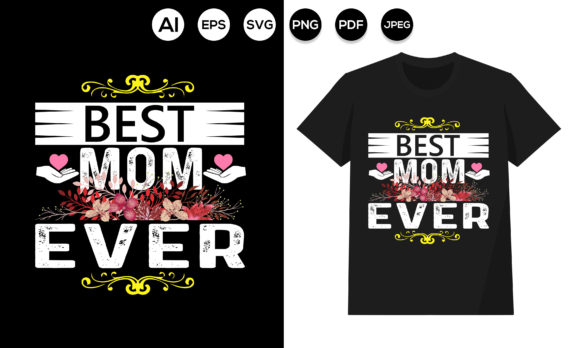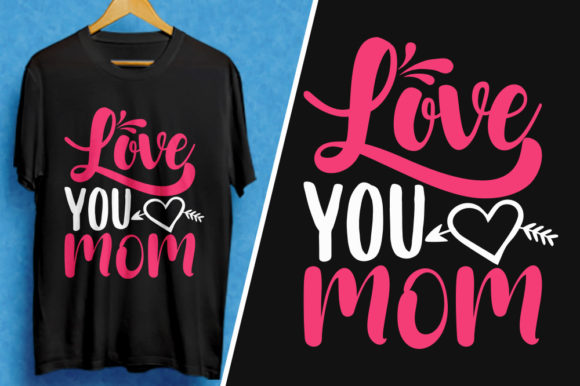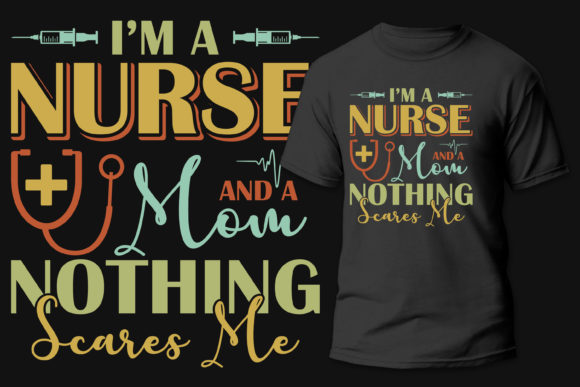
Mom T-shirt Design: A Pro Review for Embroidery Projects
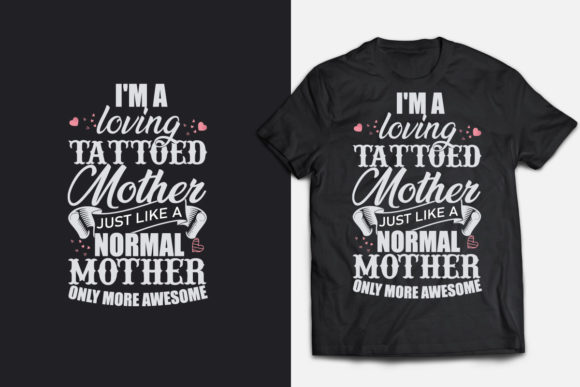
As a designer who spends more time at the hoop than away from it, I approach every new machine embroidery design with a mix of curiosity and caution. We've all seen those cute graphics online that look perfect on a screen but turn into a thread-breaking nightmare once they hit the fabric. Today, I'm taking a close look at the Mom T-shirt design, specifically the "I'm A Loving Tattooed Mother" concept. This isn't just a quick glance; this is a breakdown of how this graphic translates into a tangible, stitched reality for your craft business or personal projects.
The first thing that strikes me about this Graphics asset is its attitude. In a sea of generic "Best Mom Ever" scripts, this design offers a specific niche appeal. It targets the modern, edgy parent who embraces body art as part of their identity. The mood is confident, slightly rebellious, yet undeniably warm. Visually, the layout suggests a strong typographic focus, which is excellent for embroidery because text-heavy designs often read very clearly when executed with the right stitch types. However, the phrase "Just Like A Normal Mother, Only More Awesome" implies a longer line of text, which immediately raises questions about sizing and legibility on smaller garments.
Real-World Application: From Screen to Stitch
To truly evaluate this embroidery project, I imagined a specific real-life scenario. Picture a small boutique owner preparing for a holiday rush. They want to create a line of limited-edition custom apparel for tattooed moms. They decide to use this design on a high-quality, heavy-weight cotton sweatshirt. This is a smart choice. The thickness of a sweatshirt provides the necessary stability for the dense lettering likely required to make the text pop.
When visualizing the finished product, the contrast is key. If you are stitching this in white or silver thread on a black garment, the "tattooed" theme shines through. The design feels at home on dark fabrics where the thread can mimic the look of ink on skin. However, if you were to attempt this on a pastel baby onesie, the vibe might feel disjointed unless you are deliberately going for an ironic "mini-me" look. For a personalized gift, this design works best when the recipient actually fits the persona. It's not a one-size-fits-all solution, which actually adds value to your handmade product by making it feel curated and specific.
Beyond apparel, I can see this working beautifully as an embroidered patch. By digitizing or adapting this digital embroidery file onto a twill base with a merrowed edge, you create a versatile accessory that customers can iron onto jackets or bags later. This expands the utility of the Mom T-shirt concept beyond just direct-to-garment stitching, offering your Etsy seller shop a wider range of design assets to offer.
Technical Considerations for the Embroiderer
Now, let's get into the nitty-gritty technicalities. The product description notes that you receive AI, EPS, PNG, SVG, and JPEG files at 300 DPI. It is crucial to understand that these are primarily vector and raster image formats, often categorized under Graphic Templates. For a pure machine embroidery design, you typically need DST, PES, or EXP files. If you are using a modern embroidery machine with built-in conversion software, the SVG or PNG might be importable, but the result depends entirely on your machine's auto-digitizing capabilities.
If you are manually digitizing this from the provided vectors, pay close attention to the stitch density. Long sentences like "Only More Awesome" require careful column width management. If the letters are too thin, they will vanish on textured fabrics. If they are too wide, the fabric will pucker. I recommend using a combination of satin stitch for the main impactful words and a tight fill stitch for any larger graphical elements if present. For the smaller connecting text, a clean running stitch might preserve detail better than a thick satin column.
Fabric choice is another critical factor. This design demands stability. Avoid stretchy, thin jerseys unless you are using a very robust cut-away stabilizer. The weight of the text needs a solid foundation. Curved surfaces like caps are risky; the long horizontal nature of the quote might distort over the front panel curve. A flat surface like a tote bag design or a pillow cover is a much safer bet for maintaining the integrity of the lettering.
Navigating Challenges and Maximizing Value
There are areas where you must proceed with caution. Small hoop sizes are likely insufficient for the full phrase. You may need to break the design into two hooping sections or, more realistically, choose a larger hoop to accommodate the width. Always test the design on scrap fabric first. Check the thread color contrast rigorously; a low-contrast thread on a dark fabric will kill the "awesome" vibe instantly.
Furthermore, consider the washability. Products that need frequent washing, like kitchen towels or baby clothes, require secure anchoring of the threads. Dense stitch areas can become stiff and uncomfortable against the skin, so this design is better suited for outerwear like hoodies or decorative items like nursery decor rather than items worn directly against sensitive skin.
From a business perspective, this design boosts brand consistency if your shop focuses on alternative or edgy parenting styles. It builds customer trust because it shows you understand specific subcultures. However, always confirm licensing before selling finished items. The description mentions commercial use potential, but verifying the specific terms for the commercial embroidery sale of physical goods versus digital resale is essential to protect your small shop product line.
In conclusion, the Mom T-shirt design is a strong contender for niche markets. It moves away from the saccharine sweet norms of motherhood gifts and offers something with personality. Whether you are creating a holiday embroidery gift for a sister or stocking your boutique with sweatshirt embroidery options, this graphic has potential. Just remember: the file formats provided are great for printing and scaling, but for embroidery, your digitizing skills (or your machine's interpreter) will determine the final quality. Treat it as a premium element, pair it with high-quality materials, and it will undoubtedly result in a finished product that customers love.